


The role of advisory services in farmers’ decision making about the adoption of smart farming in Portugal
Lezíria do Tejo, Portugal
Region
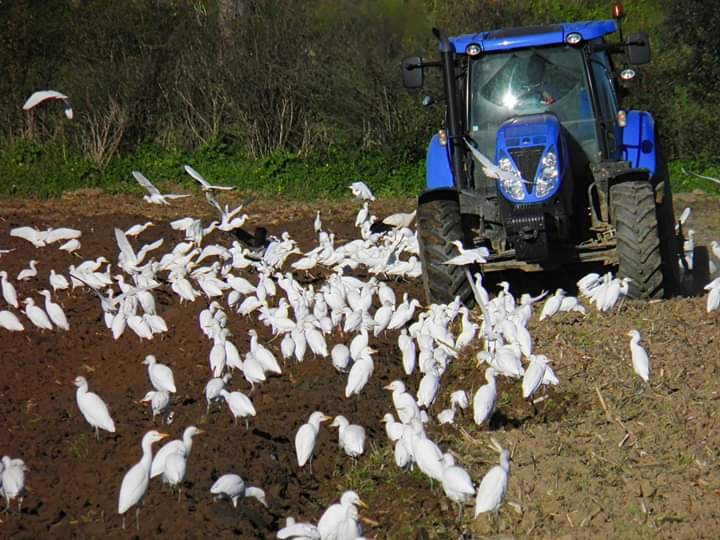
Lezíria do Tejo is a sparsely populated agricultural region neighbouring the metropolitan area of Lisbon. Farmers in the region have a history of investment in infrastructure, machinery and equipment for cereal growing, and have pioneered the introduction of a range of technologies for precision – or so-called ‘smart’ – farming in Portugal.

In common with many other parts of Europe, farmers in the region have made a transition from focusing on crop productivity in the 1980s to facing the growing demands upon them to be environmentally sustainable whilst overcoming the challenges of low prices and increasing production costs.
Study focus
This case study focused on a specific technological innovation which is a good example of how precision farming can be applied in Portuguese conditions. The farmers targeted by the study ranged from small to large family commercial farmers.
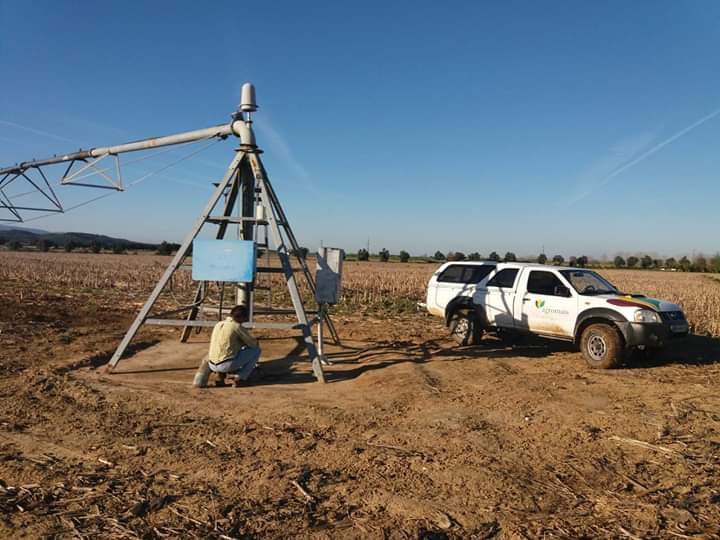
Soil moisture probes are a ‘smart’ technology that monitors soil parameters such as humidity, temperature and salinity at different soil depths in real-time. The probes communicate data to software that stores, manages and integrates information from other devices (such as in-field meteorological stations) about crop and soil conditions. The software delivers alerts and reports by web and mobile apps that informs farmers and advisors about the irrigation status and needs of their crops.
Farmer-based organizations (FBO) are important providers of advice in the region and are well-connected with downstream and upstream industries, as well as with the Portuguese research and development sector and the high-technology companies. This case study focused upon understanding the role of these FBO advisory services in disseminating and supporting different farmers’ assessment and implementation of ‘smart’ irrigation sensors.
The full report (in English) is here
Partner and responsible person contact

University of Trás-os-Montes e Alto Douro (UTAD)
Lívia Madureira, lmadurei@utad.pt
Lessons learned
- FBO advisory services can innovate their business models by investing in both back-office and front-office activities. A strong back-office with qualified specialists capable of networking with hi-tech research and development has helped to put advisors in the region at the forefront of co-developing customized technological solutions to meet the needs of different farmers and crops.
- The effectiveness of FBO advisory services has resulted from a) being close to, and trusted, by farmers, and; b) consistently providing high quality front-office advice.
- Providing farmers with high levels of access and connection to research and innovation projects (e.g. free field trials and access to experimental technologies at reduced rental fees) has been key for launching new technologies in the region.
- The major benefits of precision farming are experienced mainly by large farms. Small and medium farms with fragmented areas of land and small plots experience the high costs of the technology, but not the benefits.
- Many adopters of the technological innovation in this case were passive users who relied on advisors to assist them with installation of the moisture probes and to provide them with simplified information that enabled them to easily use the technology.