


Development of renewable energy in rural areas as an alternative to traditional forms of energy
Radomski, Poland
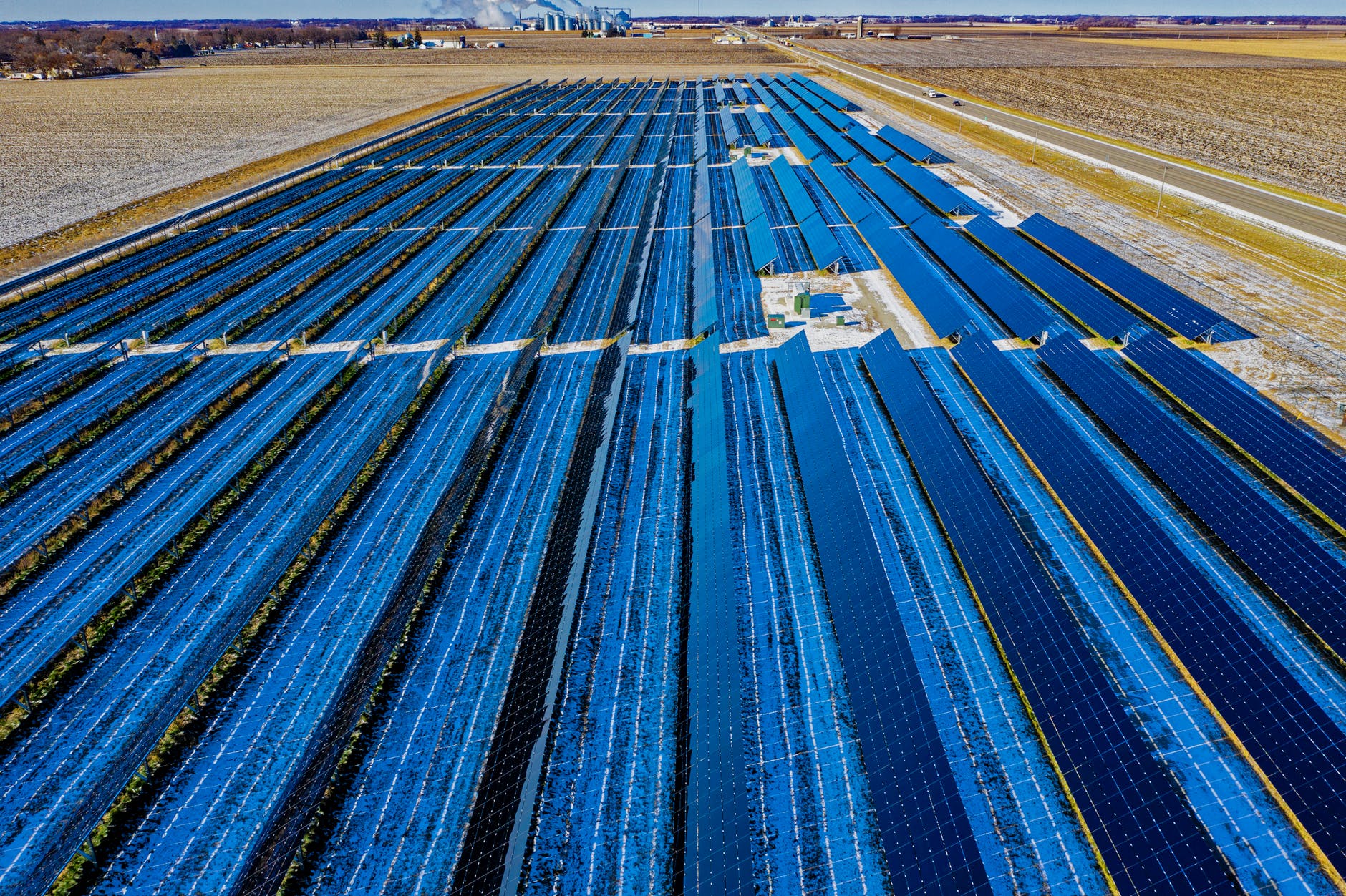
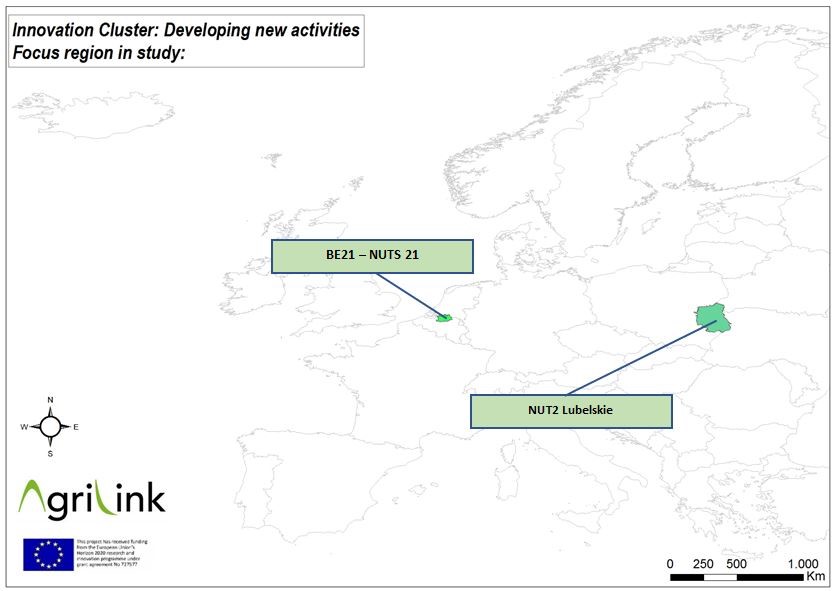
Region
Radomski is a sub-region of the Mazowiecki province in east-central Poland. Farms in the region are increasingly specialised in milk production, pig breeding, cereals, forage crops and oilseeds.
The agri-food processing sector is also rapidly developing in the region with over 80 different processing units established and operating. One specific feature of the region is the gradual increase in the area of oilseeds and other energy crops that are cultivated and processed for biofuels and other forms of renewable energy.
Study focus
The study focused upon the uptake of innovations in renewable energy production on farms that are a) seeking use alternative sources of energy to offset the rising cost and environmental impact of fuel and electricity used on the farm, and/or b) aiming to diversify into renewable energy production, including for distribution to local households in neighbouring rural communities.
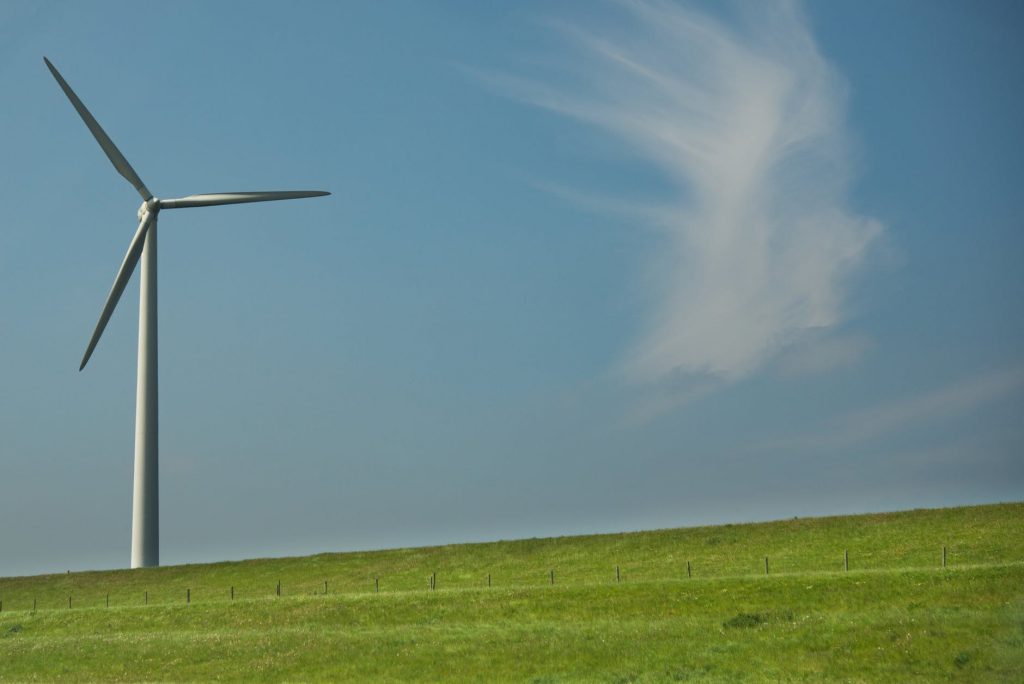
Relevant innovations include those being made in biomass boilers, micro-biogas plants, small wind turbines, small hydropower plants, solar collectors and photovoltaic cells.
Over 90% of the territory of Poland is rural and the development of more renewable energy sources can promote rural development by increasing the availability and reliability of energy supplies and thereby create better conditions for both new and existing rural businesses (including farms and agri-food processing) to operate.
The full report (in English) is here:
Partner and contact person

Agricultural Advisory Center (AAC)
Mateusz Sekowski, m.sekowski@cdr.gov.pl
Lessons learned
- Poland has a well-developed public farm advisory system and the case study highlighted the importance of advisors from the public sector interacting and cooperating with farmers to disseminate innovations in renewable energy. Public advisors are the main providers of advice for most farmers in the Radomski region. This is due to the long history of public consultancy in the region; the trust that has been established in farmer-advisor relations, and; the high levels of experience and competence that the public advisors have in many fields of innovation.
- The vast majority of farmer-advisor interaction takes place in the form of ‘one to one’ meetings offering tailored advice to individual farmers. In addition, many farmers benefit from training sessions, workshops, and seminars organized by local and regional public advisors.
- Group meetings facilitated by advisors also help to streamline farmers’ decision-making regarding the introduction of different forms of innovation on their own farm.