


The role of advisory services in farmers’ decision making about innovation in direct marketing
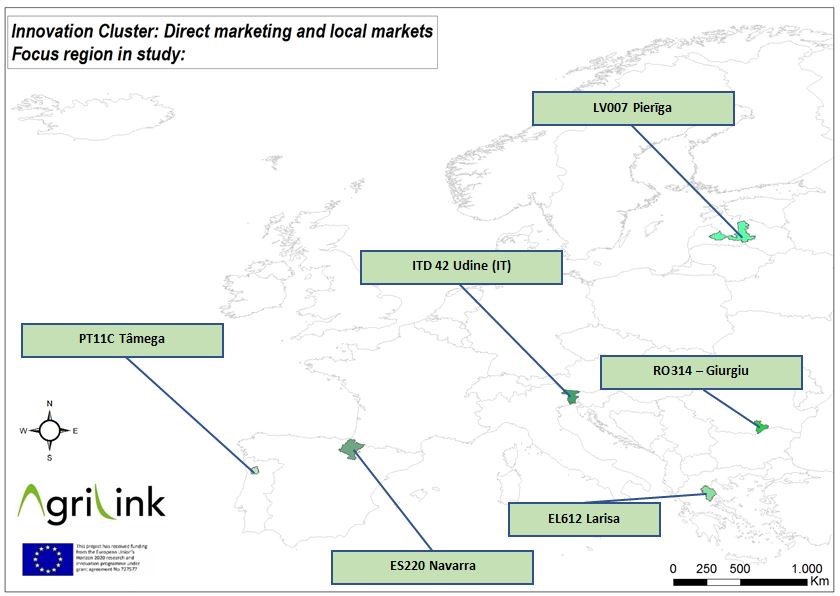
Giurgiu, Romania

Region
Giurgiu County is an agricultural region in the south of Romania. Fertile soils and relatively abundant water resources have created favourable conditions for crop production in this region for hundreds of years.
Almost 2% of the UAA in Giurgiu County is occupied by vegetable production with open field vegetables (including potatoes), protected cropping, and large kitchen gardens. Plastic greenhouses are particularly common in some villages, and with good management, these have very high production potential.
Giurgiu was selected as a focus region for this case study because of its proximity to Romania’s capital city. Bucharest has a growing number of consumers with busy lifestyles interested in acquiring healthy local foods through convenient alternative marketing channels.
Study focus
The study focused on the flow of knowledge to and between farmers that are active in – and considering entry to – the full range of innovative new fruit and vegetable marketing initiatives in Giurgiu County. Particular attention was paid to distinguishing the knowledge systems of the pioneers and early adopters from the non-adopters.
Most of the pioneers and early adopters that were interviewed relied on advice from business contacts (including customers, supermarkets, contractors or traders). Some farmers also balanced this commercial advice with the advice from family members or other community members. Occasionally, local farmers sought advice from the public advisors of the agricultural directorate in Giurgiu (DAJ), but these advisers had no specialist expertise to help farmers adopt the innovation.
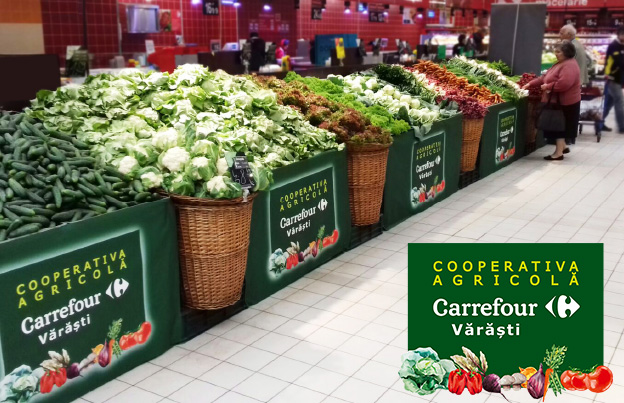
Since most farmers do not have access to these commercial networks, a significant number (43%) of the farmers interviewed in Giurgiu remained non-adopters.
Direct marketing, either online or through a farm shop, requires a) considerable knowledge about marketing, website ranking, quality standards, and b) resources to build shops or deliver products to consumers. It was found that farmers could adopt innovations in direct marketing when they had access to the proper knowledge. This included the necessary skills (e.g. marketing, IT, retailing and gastronomy), networks and resources to make their innovative marketing channels effective and profitable.
The full report (in English) is here
Partner and responsible person contact

Highclere Consulting SRL
Raluca Barbu, raluca@highclere-consulting.com
Lessons learned
- Romania’s public farm advisory system was restructured in 2010 and remains understaffed and poorly resourced. Advisors have limited opportunities to travel to meet farmers, and the available advisory support is weak and fragmented. They have little capacity to respond to the farmers’ actual needs, including direct marketing. The priority for public farm advisors is to support the uptake and implementation of EU funds and schemes.
- The most critical source of information for small farmers in Romania is their trusted informal networks of family members and neighbouring farmers.
- Despite the weaknesses in the existing farm advisory system, public and private advisors have an excellent opportunity to develop new services to support innovation in direct marketing. These services could offer independent and unbiased information to farmers regarding the benefits, weaknesses, and investments needed to connect better to growing urban consumer markets in big cities such as Bucharest.
- Innovation in direct marketing is possible and has been occurring. This has mainly been due to the farmers’ determination, solidarity, and resilience rather than the existence of an enabling and diverse advisory environment responsive to their full range of informational and innovation needs.