


The role of advisory services in farmers’ decision making regarding the uptake of innovations in renewable energy (small-scale anaerobic digestion)
Antwerp, Belgium
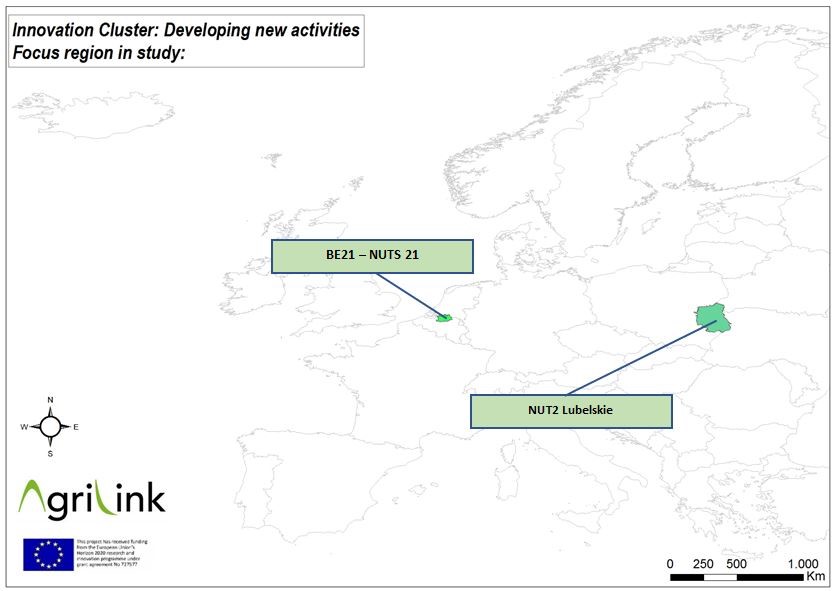
Region
Approximately 92,500 hectares (about 1/3) of the area of the province of Antwerp in Belgium is used for agriculture. The province contains 3,627 agricultural and horticultural companies. The cultivation of forage crops accounts for 79% of the agricultural area in the province. Of these, maize and grass are the most grown crops.
More than half of the farms in the province are owned by cattle farmers, which explains the large area of forage crops. There are also highly specialised dairy (goat) farms, beef calve farms, and poultry farms. Dairy farmers in Antwerp are considered to be some the most innovative farmers in the whole of Flanders.
Study focus
This study focused on an innovation in on-farm renewable energy production called ‘pocket digestion’. The popularity of pocket digestion has increased greatly in the last few years in the Flemish region of Belgium, as well as several neighbouring countries. In Flanders around 120 pocket digestors have been sold to-date.
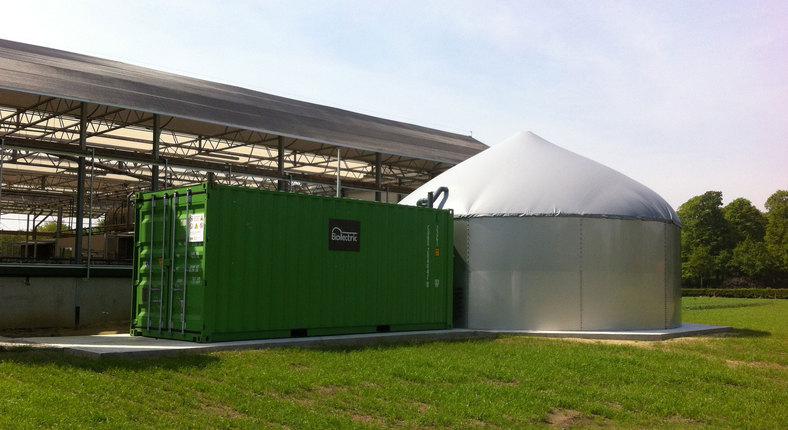
There is no internationally accepted definition of ‘pocket digestion’. It is a term that has evolved to describe small-scale anaerobic digestion processes on a farm using daily flows of waste material (mainly manure) for the on-site production of biogas. This biogas is then burned in a combined heat and power installation to produce renewable energy in the form of electricity and heat for using as much as possible on the farm or an associated business.
The aim of this study was to better understand the role played by advisory organizations in the development and assessment of these renewable energy technologies, and the factors influencing farmers’ decisions to adopt them or not.
The full report (in English) is here:
Partner and contact person

Innovatiesteunpunt (ISP)
Stijn Bossin, stijn.bossin@innovatiesteunpunt.be
Lessons learned
- Farmers explained that they use various sources of innovation knowledge and often read about the existence of the pocket digester in technical magazines or on websites from advisory organisations or farmer-based cooperatives. Individual contact with other farmers who had already implemented the innovation was another major source of information. Farmers would often go and visit the farms of colleagues who had recently installed a pocket digester.
- Once aware of the innovation, interested farmers then met with representatives from the companies that were supplying and installing the pocket digestors. Farmers explained that agricultural fairs provided a good opportunity to find these companies, as well as to discover other similar related innovations.
- Interested farmers also turned to farmer-based cooperatives where they could meet up with advisors or sign-up to follow specialist workshops. These cooperatives also provided additional services such as feasibility studies. Some specialist publications produced by collaboration between different organisations were also found to be very useful during the assessment phase.
- Representatives from the installation company were the main (and often only) source of support during the implementation phase of adopting the innovation. For example, company technicians / engineers would follow-up installation of the pocket digester by visiting the farm in person, or in some cases would get directly involved with installation.