


Retro-innovation in the diversification of dairy products
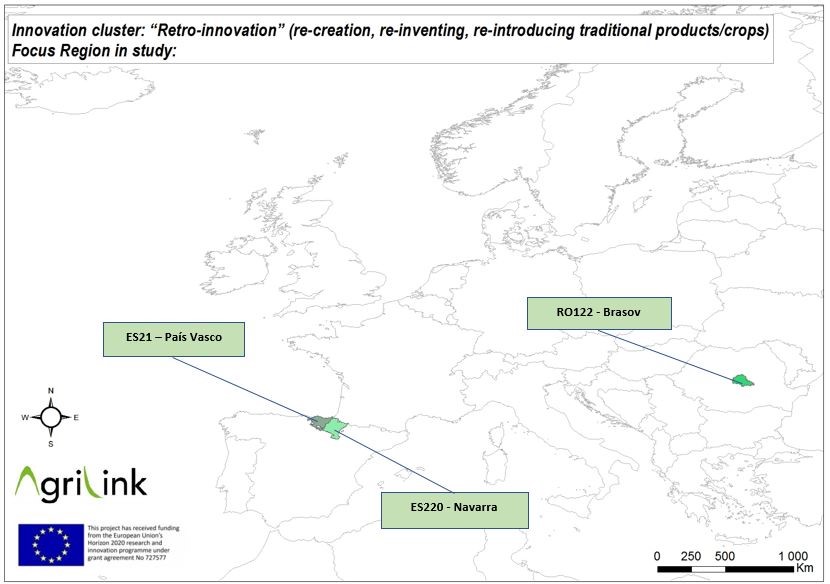
Navarra and the Basque Country, Spain

Region
Navarra and the Basque Country are two small regions located in the north of Spain. Milk production from cows and sheep is important in both regions, but during the last 10-20 years the diversity of dairy products has declined. Many farmers have either focused on the production of Idiazabal cheese (a hard pressed cheese made from unpasteurized sheep milk) or they have sold the milk. Consequently, there has been an increasing tendency to forget about old recipes and existing knowledge about other types of cheese.
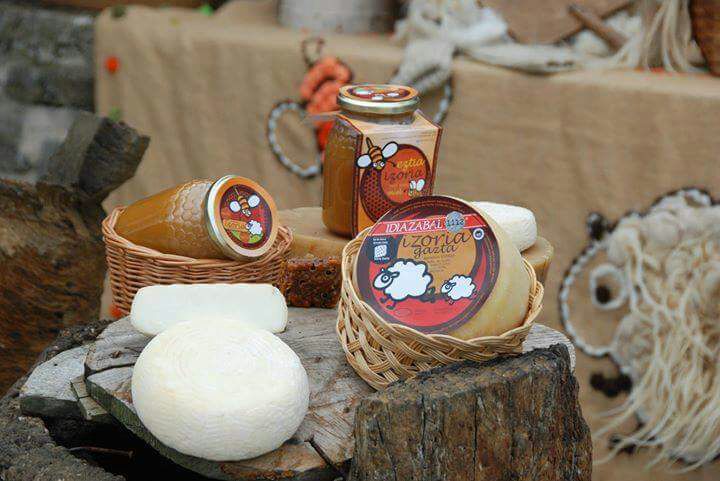
More recently financial crises, unfavourable market conditions and changing consumer preferences have led local farmers to innovate and reintroduce several ‘old’ dairy products with new brands and marketing (e.g. https://izoriabaserria.blogspot.com and http://www.jauregia.net/. These retro-innovation products have the potential to improve the profitability of sheep and cow breeding in the two regions, especially where they go hand-in-hand with the adoption of direct marketing by the farm (adding further value). However, these new business opportunities also create a greater workload, require investment and produce new and complex technical and administrative issues for the farm.
Study focus
This study focused upon two different phases in the decision-making processes associated with retro-innovation in the diversification of dairy products.
In the first phase, a range of non-specialist trusted advisors (not necessarily linked to the innovation) provided support in finding potential solutions or analysing the feasibility of different options. Associations and Rural Development Agencies were also relevant in this phase.
In the second phase, farmers looked for specific support regarding the new products. Food research and innovation centres were found to be important sources of support during this phase, with several having projects to encourage more retro-innovation in local food products. In the Basque country there are also organisations called Management Centres that offer targeted support to farmers (technical, economical, related to taxes, CAP, etc.) according to their specific needs throughout the decision-making process.
The full report (in English) is here:
Partner and contact person

INTIA
Noelia Telletxea, ntelletxea@intiasa.es
Lessons learned
- The triggers for considering this retro-innovation were a) the need to seek new business opportunities and solutions to various problems on the farm; b) the demand for new products by regular customers, and; c) generational change on the farm, especially sons or daughters coming into the farm business with new ideas and strategies, etc.
- Retro-innovation is linked to the family, to territory and to tradition. It is not classical innovation, but it still has great potential as a profitable business opportunity that can help keep local people in their rural areas. But it also has challenges, including (amongst many others) compliance with all hygiene and food safety regulations.
- The decision to innovate is a long process that requires intense evaluation (investment, modification of facilities, new recipes, etc.). In relation to counselling, there are two key phases in decision making as described above