


Dissemination of an innovation for Integrated Pest Management (IPM) in peach production
Imathia, Greece

Region
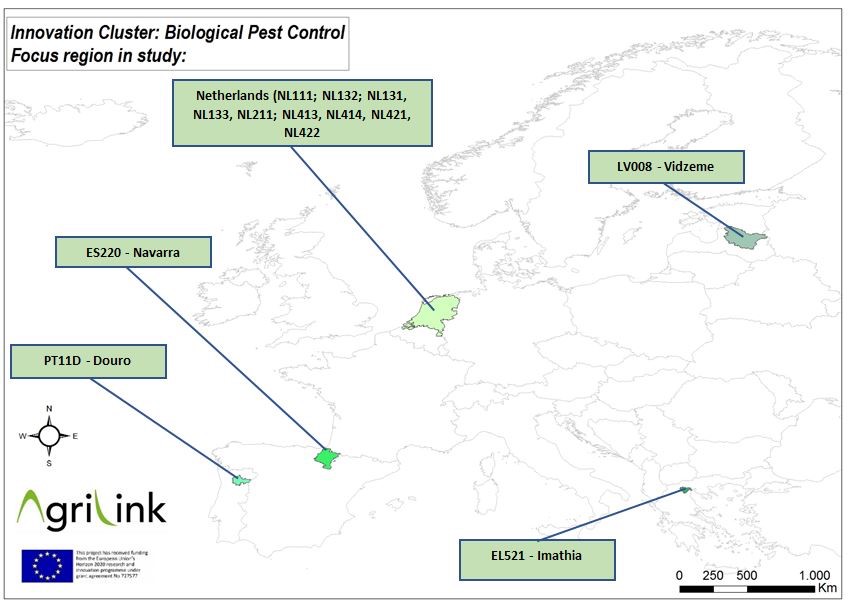
Imathia is an area of highly intensive agriculture, located in the Region of Central Macedonia in Northern Greece. Plantations of tree crops occupy 41% of the farmland in the region, of which 74% are peach and nectarine.
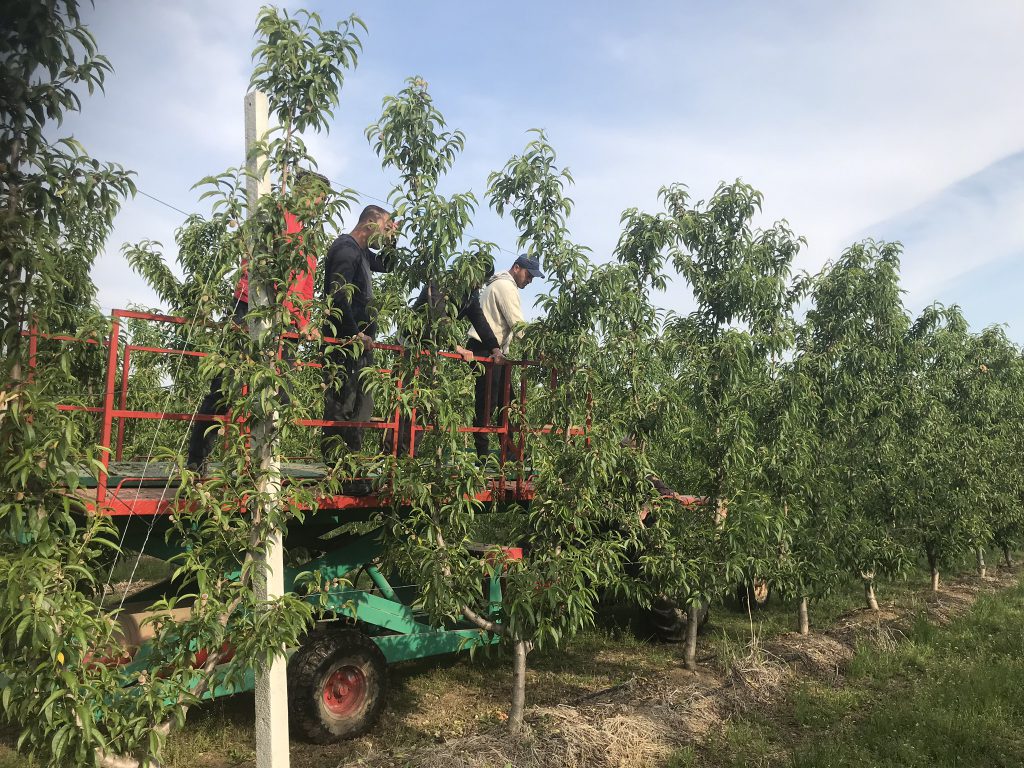
Peach production in Imathia is organized by a number of cooperatives that have a significant share in the global market of canned peaches. In response to changing markets and consumers’ increasing demand for protecting the environment and public health, the cooperatives have adopted the principles and practice of Integrated Pest Management (IPM) principles, including the introduction of an innovative method called ‘mating disruption’ (MD) which interrupts the breeding cycle of the harmful pest insects.
Study focus
The introduction of the innovative mating disruption (MD) method has created specific challenges for local advisory organizations. The introduction of the new IPM technology was very rapid and involved local, private sector, independent advisors (not the public agricultural services) organizing fast-paced specialized seminars for farmers. However, these independent advisors did not only have to deal with a range of new technical issues, but they also had to enhance trust and collaboration between the peach producers in order to facilitate widespread and consistent uptake of the MD approach.
This case study therefore focussed on the development of collaboration between the local cooperatives and private advisory companies – especially the leading one – in order to promote the introduction and uptake of the MD technique amongst the numerous small farmers in the region.
Private advisors played a crucial role since they supported farmers at all the stages of the innovation by disseminating valuable knowledge through face-to-face contacts and seminars. However, the number of advisors was limited and the flow of information to farmers could have been better. On the other hand, it was clear that farmers’ interest and willingness to participate in the specialist IPM seminars was related to the influence of the local cooperatives upon them. Consequently, there could have been a slightly better planning and matching of the supply and demand of knowledge.
Furthermore, the leading independent advisory company (and the first to be actively involved in the introduction of the principles and practice of MD) also played a significant indirect role in the dissemination of the innovation by promoting it to the relevant national authorities. This resulted in the inclusion of support for the MD method in the IPM-related agri-environmental measures of the National Rural Development Programme for Greece. This helped to create an institutional environment that further enabled farmers to adopt the innovation.
Commercial suppliers of farm equipment and inputs are also an integral part of the regional advisory system in Imathia and had to adapt their approach and services to the needs of the peach producers. Suppliers of equipment and inputs are important because of their number and proximity to individual farmers, including those that are not members of a cooperative. In the case of the uptake of the MD technique, they contributed especially to the adaptation of the innovation by providing technological support and materials at the very initial stage of adoption.
Finally, it was observed that a public research institute and other local authorities in the region did not play a major role in the IPM innovation process and the overall Agricultural Knowledge and Innovation System (AKIS) therefore remains rather weak.
The full report (in English) is here:
Partner and contact person

Agricultural University of Athens
Alex Koutsouris, koutsouris@aua.gr
Lessons learned
- The implementation of IPM and the dissemination of the MD innovation in Imathia corresponds to the classical extension paradigm whereby a) the key advice supplier became aware of a technical innovation through engagement in a multi-actor network of researchers, policy makers, input industries and traders, and b) then initiated activities in which advisors created awareness amongst local farmers for this technical innovation.
- Rapid adoption of the innovation in IPM and the associated transformation of the regional advisory landscape was initiated through the collaboration between a leading cooperative and an independent advisory company. This created conditions at both regional and national level (via the agri-environment payments) and produced a strong momentum for the adoption of the innovation. It also set an example for other cooperatives, independent advisory companies and input suppliers in the region to follow. This illustrates the great potential of private advisors and cooperatives to coordinate their actions and innovate in different ways and at different levels.