


The role of advisory services in farmers’ decision making about innovation in direct marketing
Portugal, Tâmega e Sousa

Region
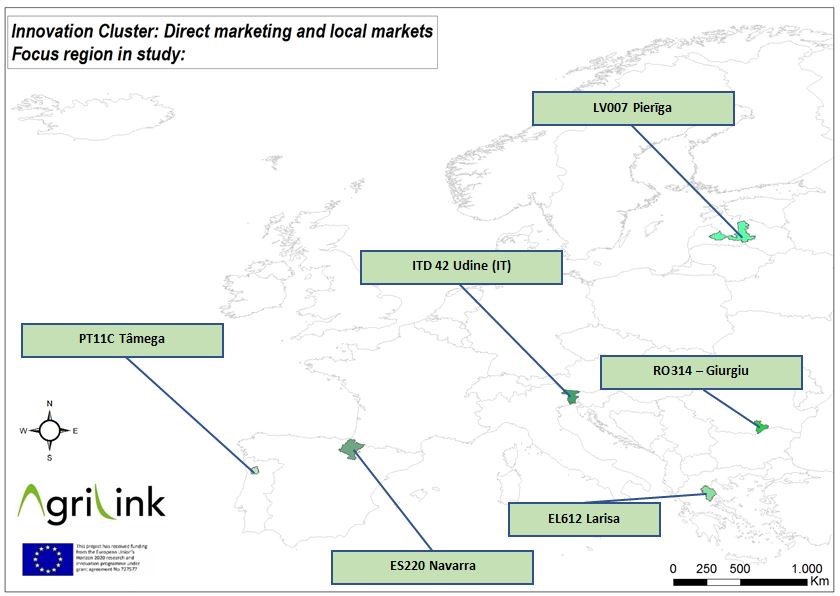
Tâmega e Sousa is located in Northwest Portugal and has an average population density of 235 inhabitants per km2. Small-scale (often part-time ) farms predominate in the region, with 84% of the farms having less than 5 hectares.
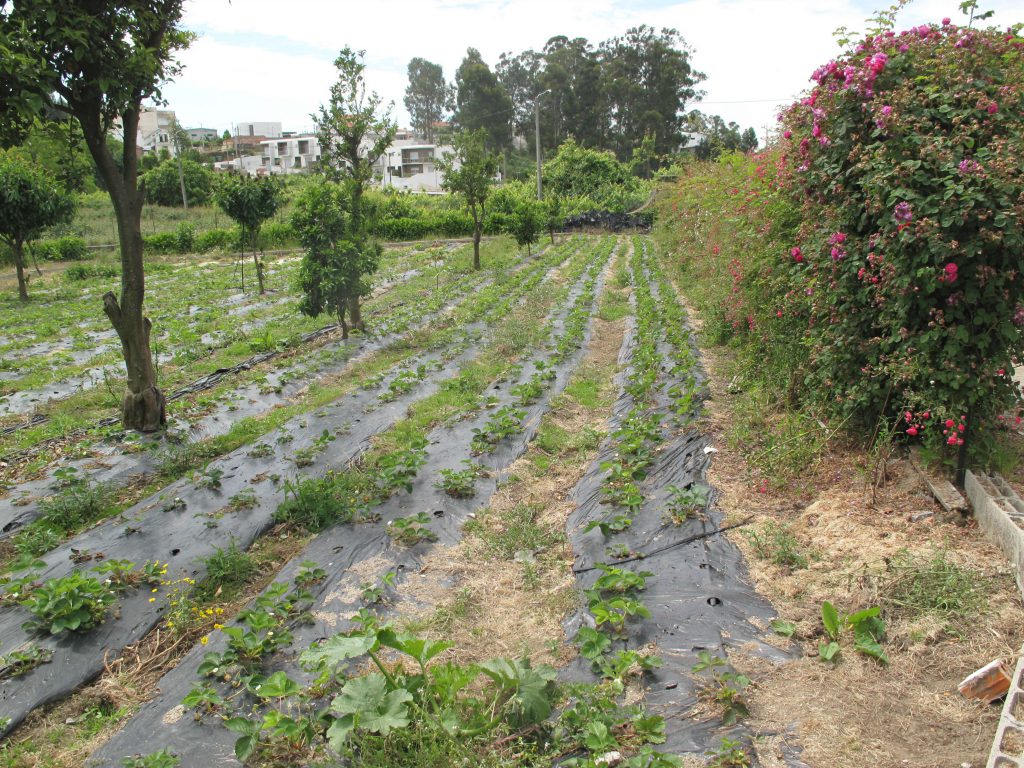
Farms in the region are mainly polycultures (mixed and very diverse). Horticultural crops are most important. Most of the farms also have small areas of vines, and part of the region is included in the DOC of Vinhos Verdes. Cattle breeding is declining but still relevant in some cases. New crops, such as kiwis, have recently started to be grown in the region. These crops are usually introduced by new entrants and young farmers.
Study focus
The study focused on the marketing and organisational innovation introduced in the region by a direct selling approach called PROVE (www.prove.com.pt). The PROVE concept involves the creation of small groups of 3 to 5 small farms selling their produce directly to consumers. Setting up and running the groups is supported by Local Development Action (LDA) groups which aim to empower the direct marketing groups to be self-sustaining in the long term.
Producers organised themselves to deliver weekly boxes of fresh fruits and vegetables to the consumers at predefined delivery points. PROVE developed training modules and a digital platform where farmers could receive the consumers’ orders on a weekly basis. PROVE was funded initially by the EQUAL EU initiative and later by the 2007-2013 Portuguese Rural Development Programme. It was first piloted in 2008 by four LDAs, including the ADER-SOUSA, an LDA established in the Tâmega Valley.
PROVE was initially very successful in the Tâmega Valley and a number of small producers engaged in the initiative. It rapidly expanded with the support of another LDA and by 2012, the region of Tâmega e Sousa was one of the most successful examples of the PROVE approach with 45% of the PROVE producers and 30% of the groups existing in Portugal at the time.
The number of groups in the region peaked at 6 with 26 producers. However, as feared by the producers, the groups were too large, and the supply of produce exceeded the demand of consumers. Many small farmers therefore dropped out of the direct marketing scheme and returned to their traditional sales at the farm gate or in local markets. The AgriLink study focused on this abandonment of the innovation.
A number of more specialised producers, including new entrants and young farmers engaged in other schemes of direct selling addressing restaurants and gourmet groceries located in the Porto Metropolitan Area. In some cases, producers from this later group opted to deliver their production, namely in the case of kiwis and berries, to local cooperatives. By the time the AgriLink survey took place, in 2018, there were no PROVE groups on the easterly side of the region.
The full report (in English) is here
Partner and responsible person contact

University of Trás-os-Montes e Alto Douro
Lívia Madureira, lmadurei@utad.pt
Lessons learned
- There is a gap regarding the availability of farm advice for direct marketing and other forms of marketing and organisational innovation. More collaborative innovation is needed, but it requires new participants and new ideas.
- It cannot be assumed that short supply chains are a panacea for ensuring the income and socio-economic sustainability of small-scale farmers. However, very few producers are committed to making the effort to engage in direct selling and cultivating long-term relationships with their customers. Most small-scale farmers, and especially the more specialised ones, prefer to dedicate themselves to production and avoid the extra challenges associated with direct marketing. This is a major issue often neglected by initiatives like PROVE.
- Despite the failures, the PROVE initiative generated a lot of “lessons learned” for the small-scale farmers that participated. New initiatives can still emerge from the farmers empowered by these lessons.
- Farmers need to be alleviated of the excessive burden of direct selling. To achieve this more novel forms of cooperation involving collaborative innovation are required. This could also address the ‘consumer fatigue’ associated with repetitive ‘boxes of produce’ lacking diversity and novelty.